
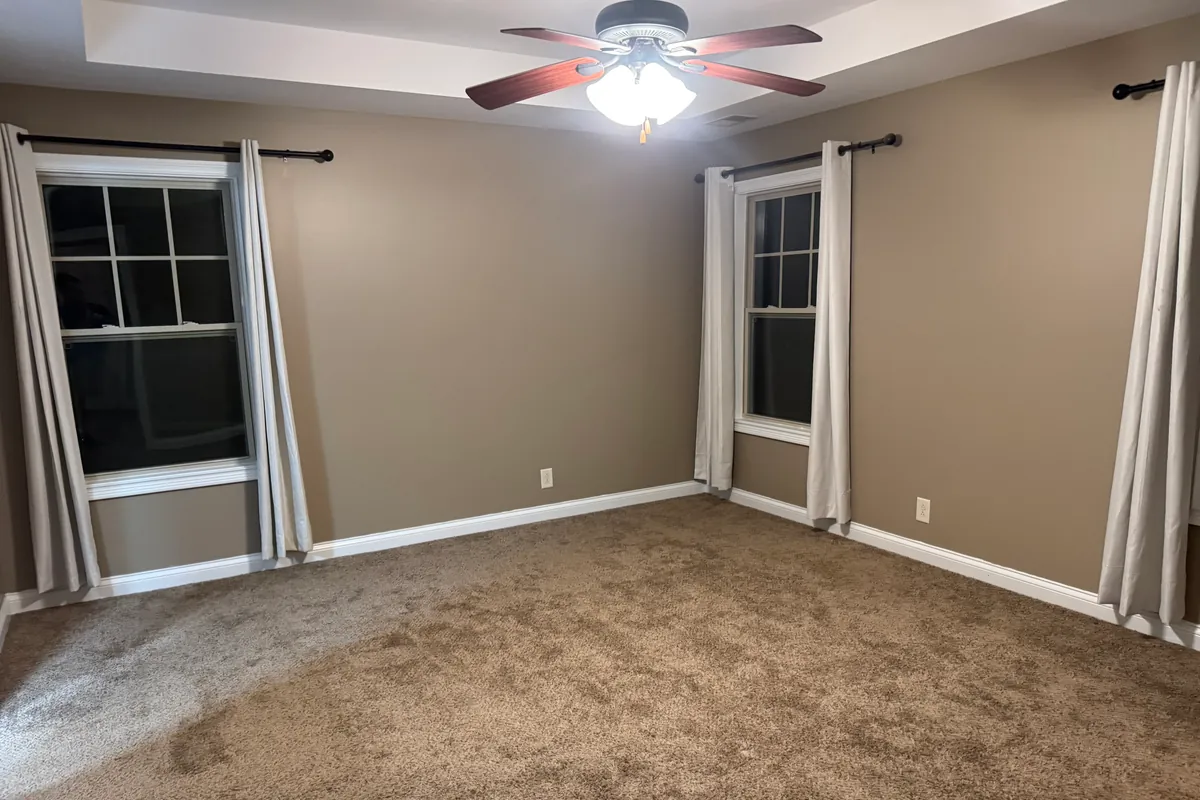
Around Clarksville and Fort Campbell, turnover is not an occasional event. It is the business. PCS cycles, university terms and a lot of short leases mean units come back several times faster than they would somewhere else.
The units that turn fast are not the ones with the least damage. They are the ones where somebody worked the list in the right order.
Do the walkthrough before the tenant is out
Not after. Before.
Once the unit is empty the clock is running, and every hour spent discovering problems is an hour of vacancy. Walk it while there are still a few days left, with a phone and a notes app, and write down everything including the things you plan to ignore.
You are looking for four categories, and it helps to tag them as you go:
- Tenant damage, which is a deposit conversation
- Normal wear, which is yours
- Deferred maintenance you have been putting off, which is far easier to handle now that the unit is empty
- Anything safety related, which happens no matter what else gets cut
That fourth one is not negotiable and it should not share a list with paint colors.
The order matters more than the list
This is the part people get wrong. Work top to bottom and dirty to clean, or you will do things twice.
1. Cleanout first. Everything the tenant left goes before anything else starts. You cannot assess a floor you cannot see, and you cannot paint around a pile of furniture. Garage, shed, attic, under the deck. All of it.
2. Then anything that opens a wall or ceiling. If there is a leak stain, find the source and fix it now. Patching over an active leak means patching twice.
3. Then drywall and trim. Every hole, crack, popped screw and dinged corner. Texture matched, feathered wide enough that the light does not catch the edge. Get this fully done before a paint can is opened.
4. Then doors and hardware. Doors that stick, locks that need rekeying, cabinet doors hanging crooked, closet doors off track. Quick to fix and enormously visible on a showing.
5. Then paint. After all the patching, not during. Walls, ceilings where needed, trim. This is the highest-return item in a turnover and it only looks good if step three was done properly.
6. Then flooring. Last, because everything above it drops dust, mud and paint. If carpet is coming out and LVP is going in, this is when.
7. Then the final punch. Walk it as though you are the tenant. Switch plates straight, blinds working, caulk lines clean, nothing left behind.
Where turnovers actually go wrong
Painting before patching. You cut in twice and the patches still show through.
Flooring before paint. Now you are masking a brand new floor and cutting in over it, which is slower and riskier than the reverse.
Skipping the leak. The stain comes back through the new paint within a month and you have a repaint plus an unhappy tenant.
Five trades, five schedules. Every handoff between contractors is a gap where days disappear. The cleanout finishes Tuesday, the drywall crew can come Friday, the painter is booked until the following Wednesday. That is nine days of vacancy created purely by scheduling, not by work.
That last one is the expensive one and it is the easiest to fix.
What we do about it
We do cleanout, drywall, paint and flooring, which is most of a standard turnover. One company, one schedule, one point of contact, and one invoice per unit so it maps cleanly to your owner statements.
To be completely clear about the arrangement: we do the work on the unit, and you keep the client. We are a repair company. We do not manage properties, we do not hold rent, and we have no interest in your owner relationships.
Anything that needs a licensed trade, we flag and leave alone. Electrical and plumbing require separate Tennessee licenses, and jobs at or above $25,000 require a state Contractor License that we do not hold. You get told which items those are up front, so you can schedule the right trade in parallel instead of finding out on day six.
If you are on a PCS timeline
Tell us the re-list date when you call. Not the date you would like, the date you actually need. If we can hit it, we will say so. If we cannot, we will tell you that instead of letting you find out three days before.
Call (931) 320-9818 or send us the unit details.